How I Plan to Fundraise With Fungi in 2026 (and who I am)
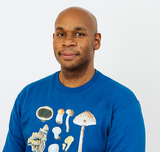
TL;DR Our neighbors are hungry and our social safety net is stretched to its limits. I’m an internationally educated sustainability and fungi enthusiast from North Florida who learned how to cultivate mushrooms cheaply — and now I want to apply and share those skills to support my community and help build the resilient food systems of the future.
Our Problem
In 2025, hunger and poverty are increasing across the US. North Florida’s Big Bend area faces some of the highest food-insecurity rates in the state, and local food banks are under constant pressure to meet rising hunger as the cost of living climbs and the social safety net contracts. Many communities rely heavily on charitable organizations that are bleeding resources and struggling to keep up.
My Solution/Contribution
Solidarity Mycoculture is a concept which employs community-supported mushroom cultivation as a tool for economic empowerment.
I assemble and stock automated mushroom growth chambers with oyster mushroom grow kits and work alongside partners and volunteers to turn our harvest into affordable $5 mushroom BBQ at farm-to-table fungi events, aiming to raise $5,000 each month.
Proceeds support hot meal programs, essential supplies, and community resources to democratize access to healthy, affordable food while building capacity, resilience and community solidarity.
My goal is simple: grow together, learn together, and strengthen the local capacity required to build a resilient, people-powered food system rooted in solidarity.
I didn’t arrive at this idea by accident. It comes from everything I’ve studied, tested, failed at, and refined along my academic journey. To better understand why I’m doing this now, the following is an introduction to me, where I’ve been and what I’ve learned.
FAMU 2013-2017
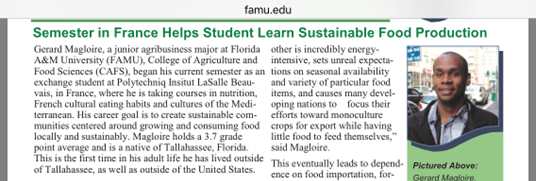
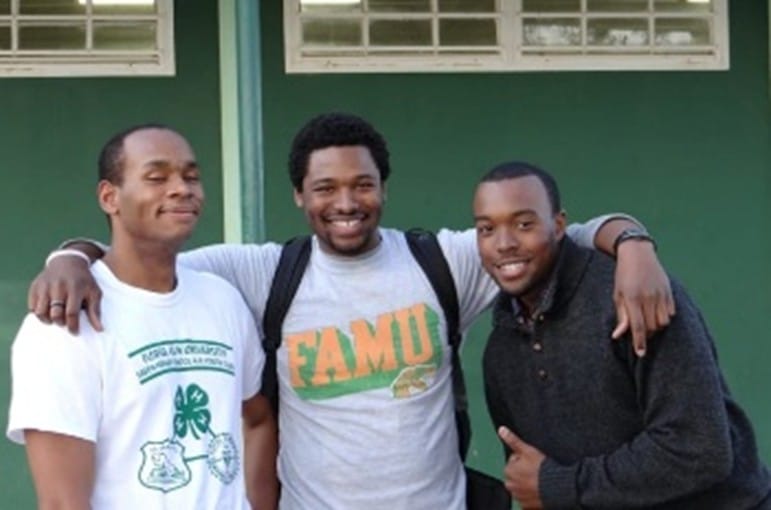
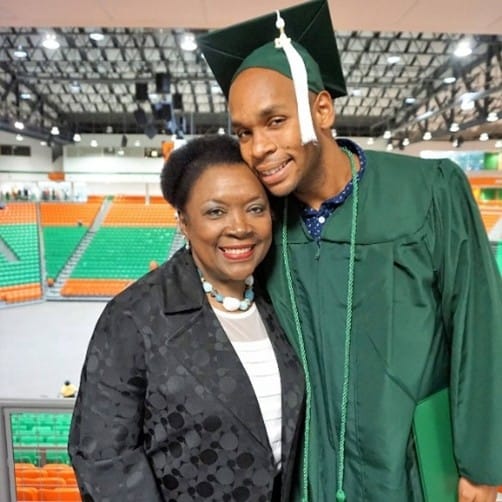
I grew up in Tallahassee, Florida and attended Florida A&M University where I earned a Bsc in Interdisciplinary Studies from with concentrations in Agribusiness, Nutrition, and Environmental Justice. I had the life changing opportunity to study abroad in Beauvais, France and Vienna, Austria where I was exposed to transformative ideas around sustainable food systems and healthy diets.
2018-2023 Master's studies in Vienna, Austria
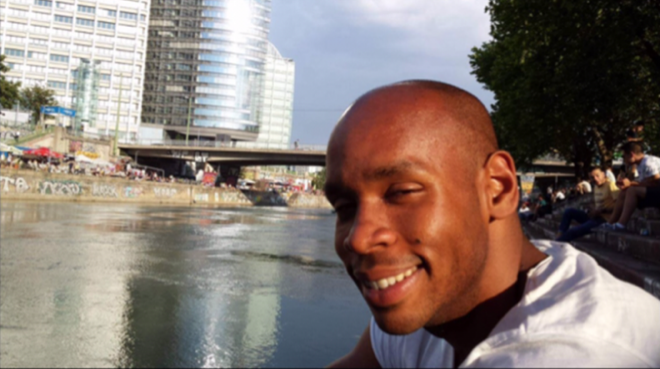
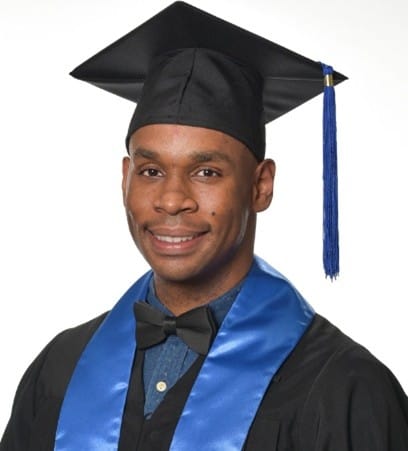
That interest eventually brought me back to Vienna, Austria, the historic capital city repeatedly voted “Most Livable City in the World”. There I completed a MSc in Sustainable Development, Management & Policy at Modul University Vienna.
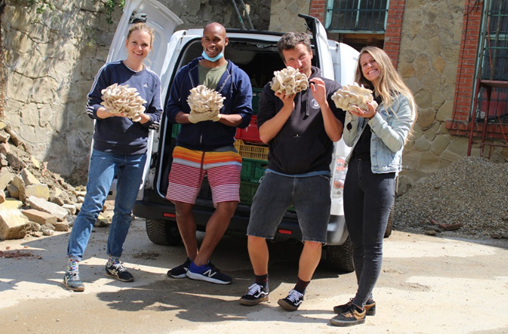
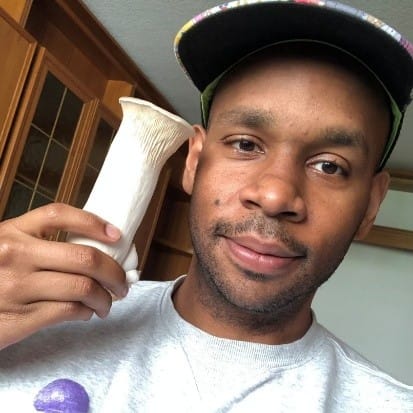
In 2020, I volunteered at locally famous Viennese mushroom startup, Hut und Stiel, where I became reacquainted with mushrooms and began to research the role of fungi in the circular bioeconomy.
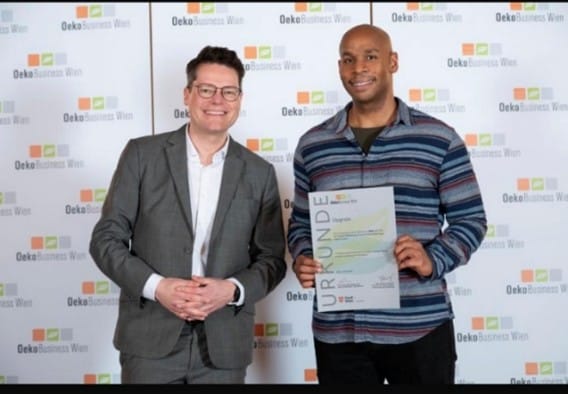
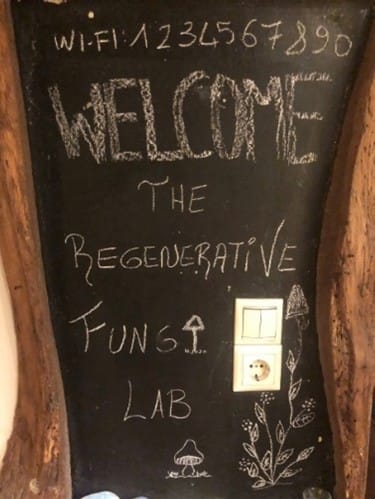
In 2022, I turned my research into a green business idea dubbed "Urban Biorefinery Vienna", which was chosen for Impact Hub Vienna's 2022 Re: Wien incubator.
In 2023 I also had the great opportunity to participate in The Fungi Regeneration Lab, a 2 week intensive mycology and permaculture course at ReGreen Eco Culture center in Seliana, Greece.
I learned so much during my studies and my time in Vienna's entrepreneurship scene, despite my efforts to stay and pursue a PhD and my business idea, I had to return home to Florida.
Important note: I was off social media completely from 2019 until late 2022 and very few people in my home network knew of what I was up to during these years..that story is for another blog post.
2023 Return to Florida
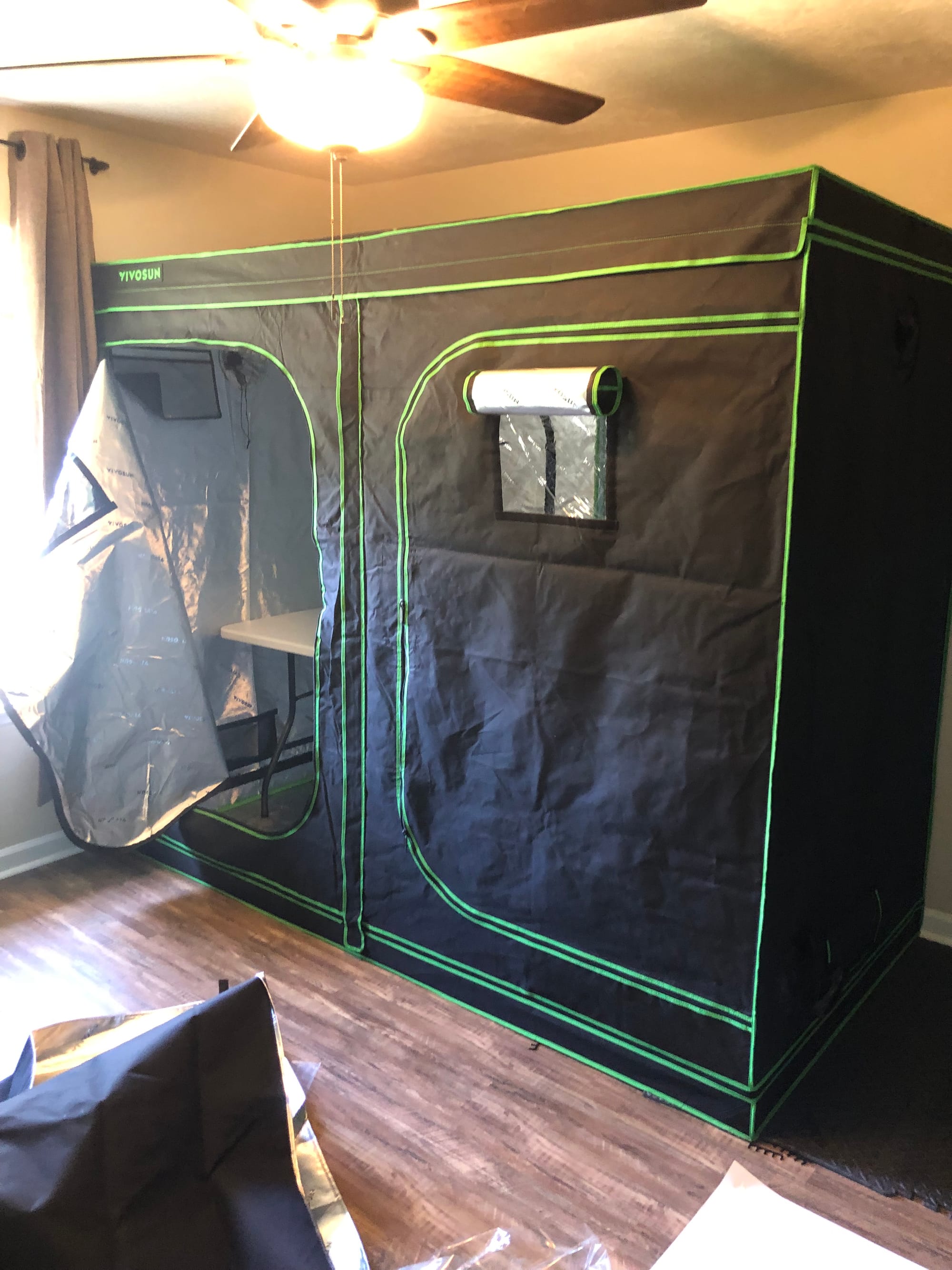
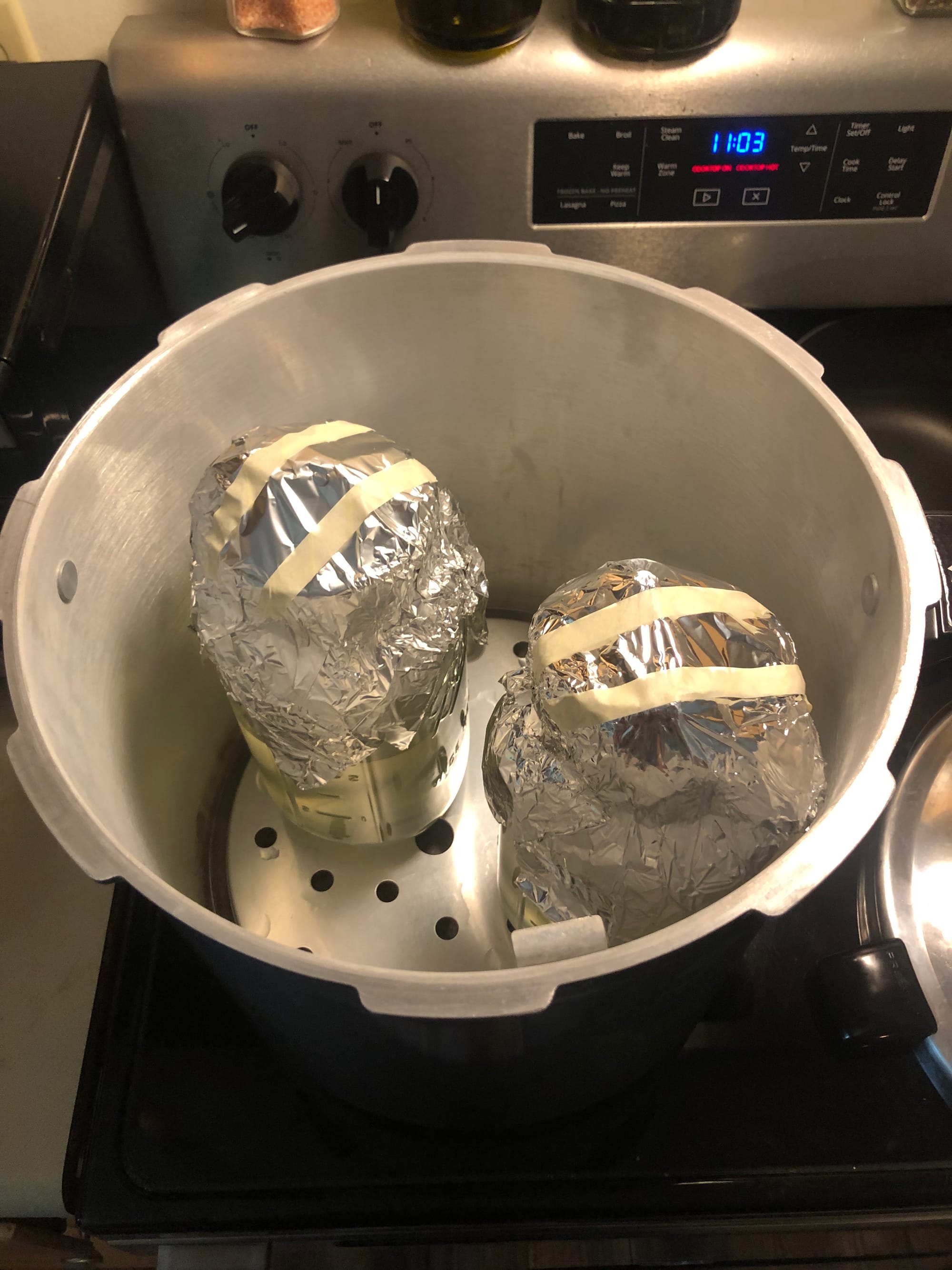
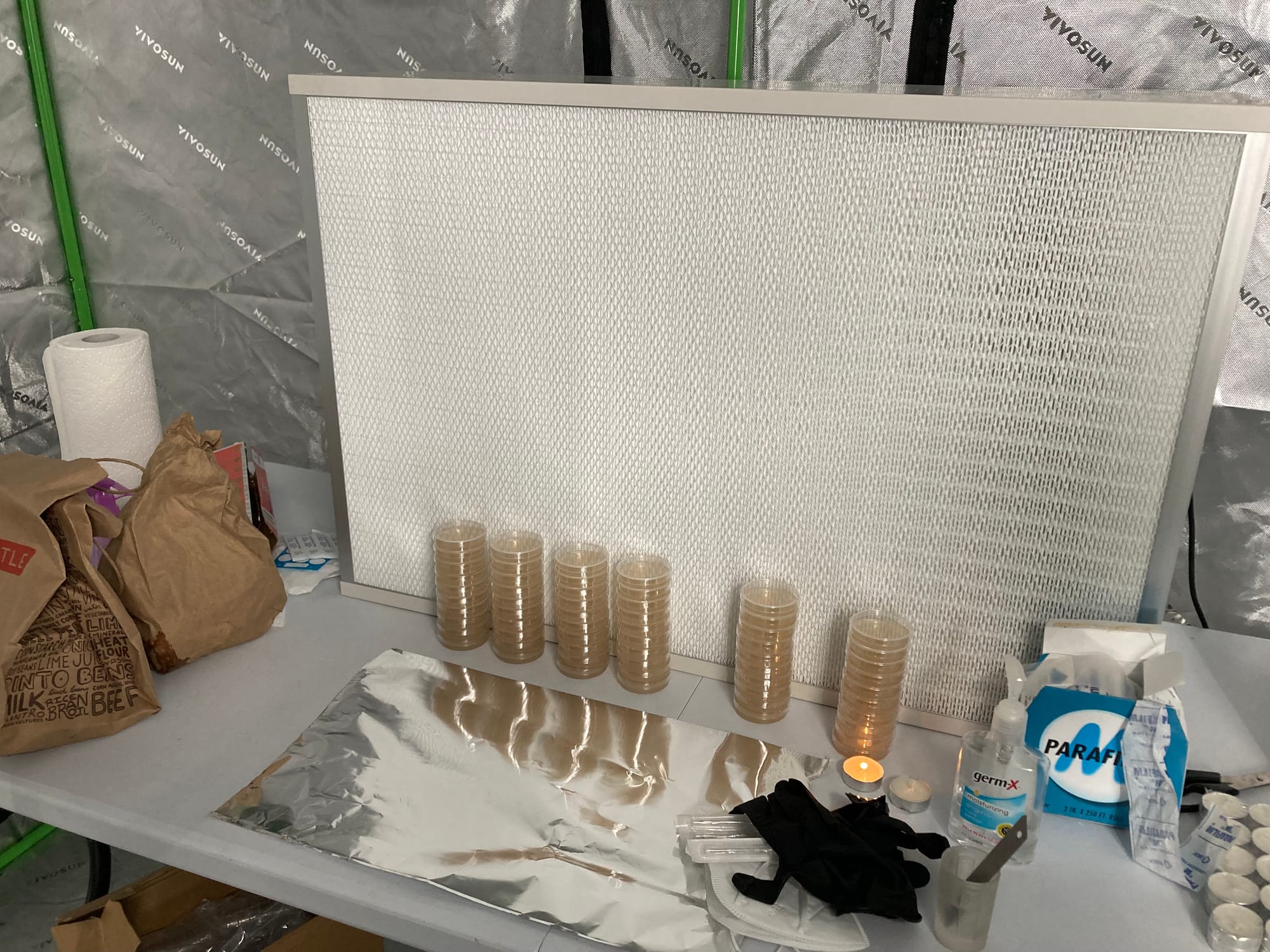
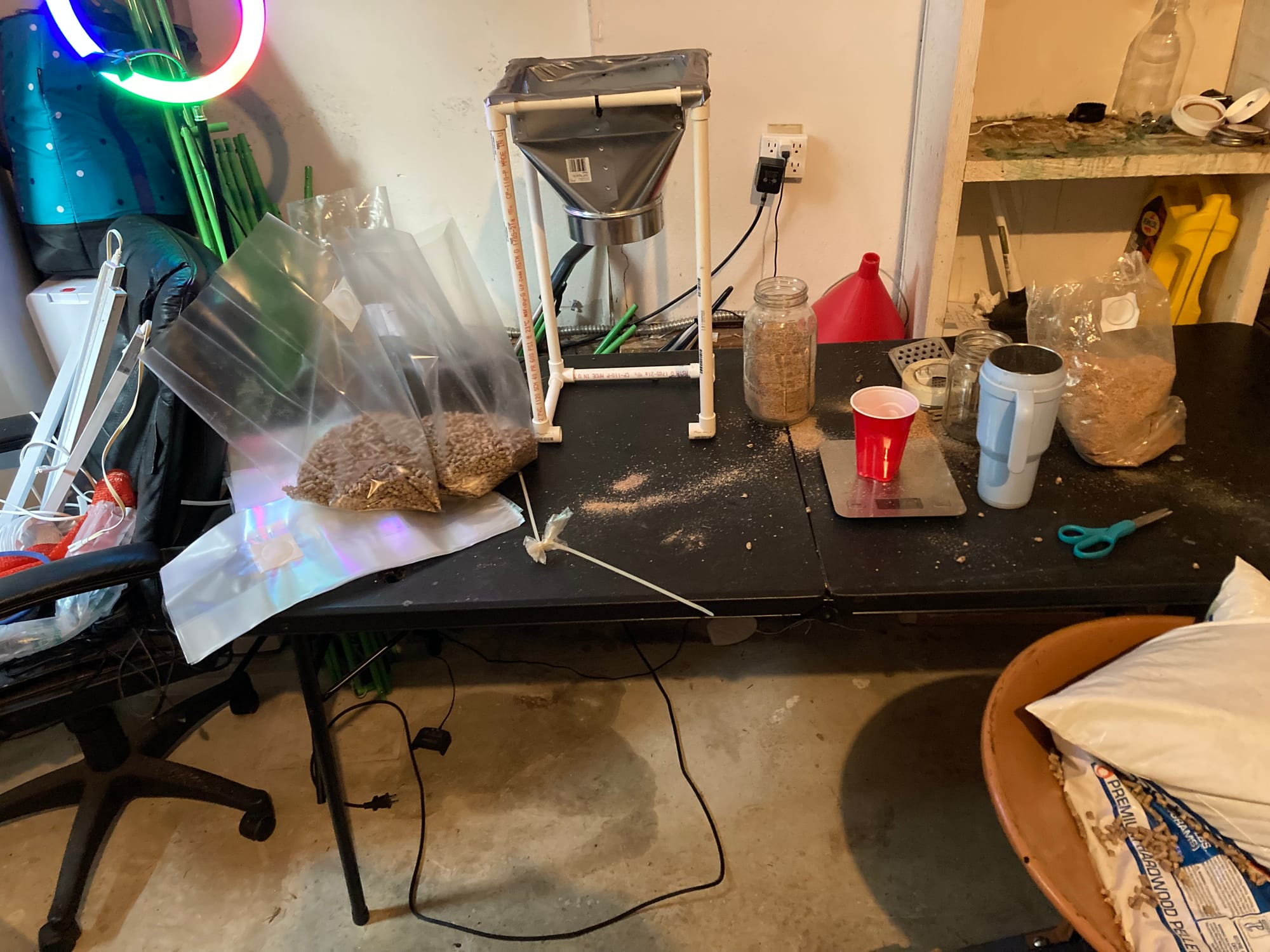
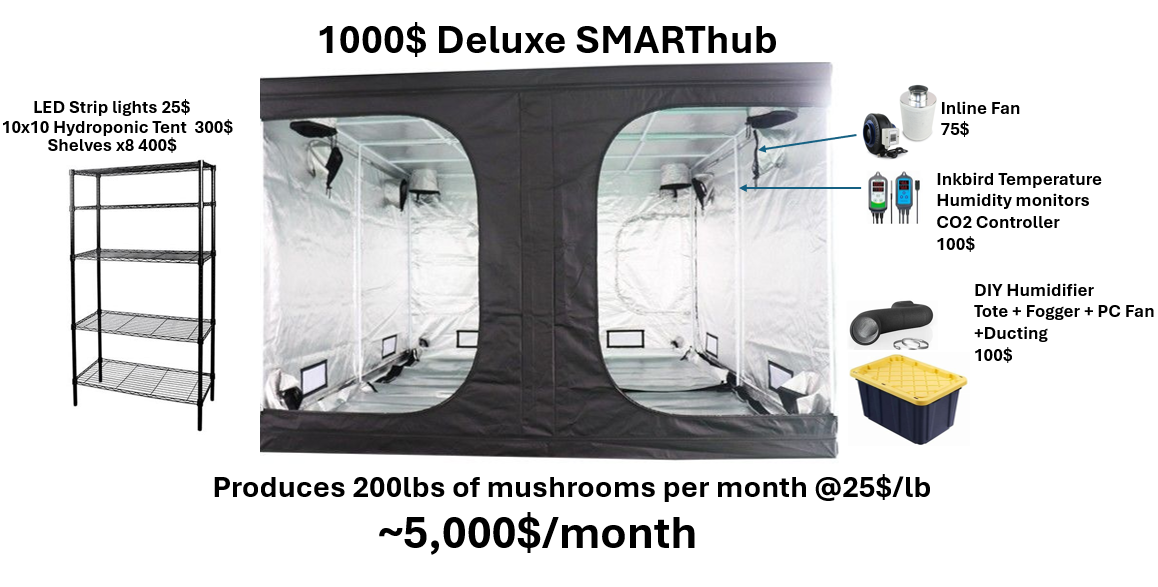
Upon returning home in late 2023, I built a DIY mycology lab inside hydroponic tents and began refining a model that merged my old pastime of mycology, my international sustainability education and training, and my values around economic justice. I started with a humble setup for 1000$ using a combination of pressure cookers, a mini flowhood, some 1/2 gallon jars and grow tents.
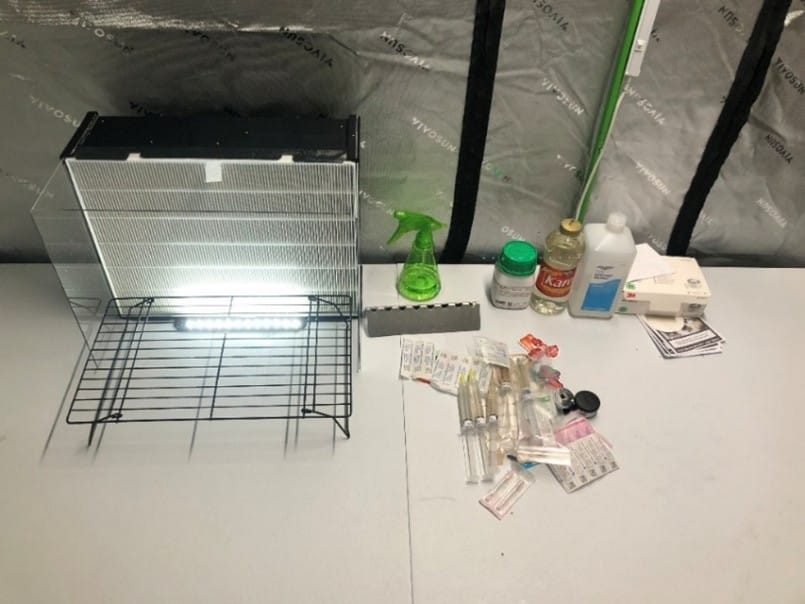
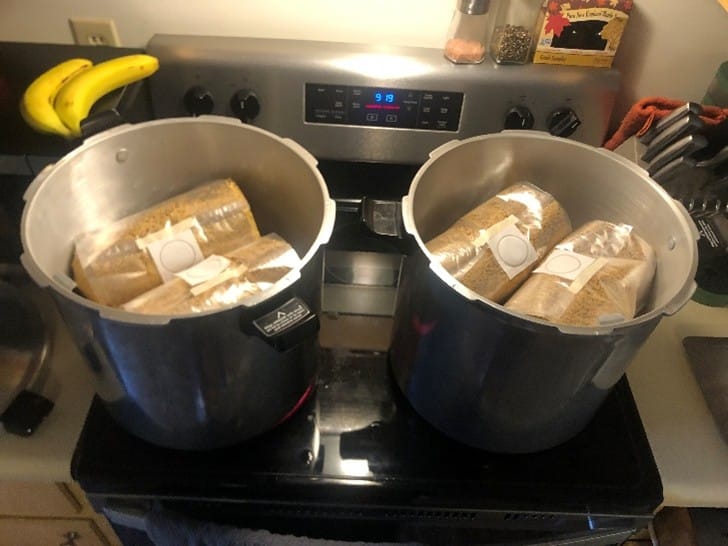
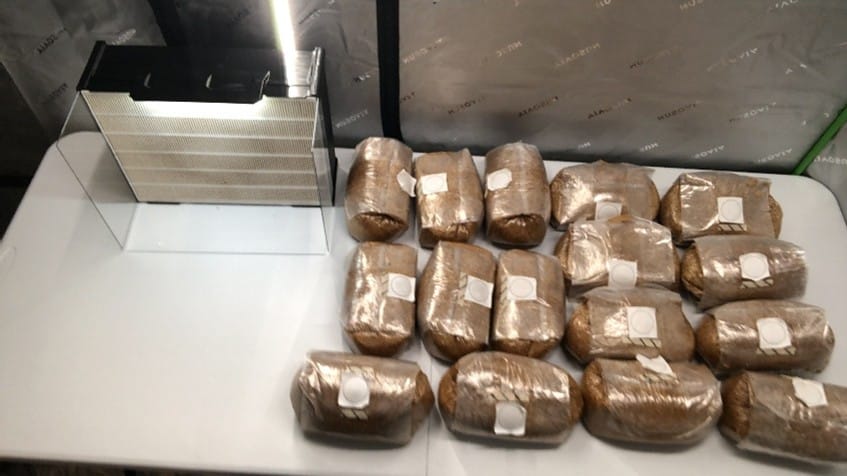
2024 Growing Pains
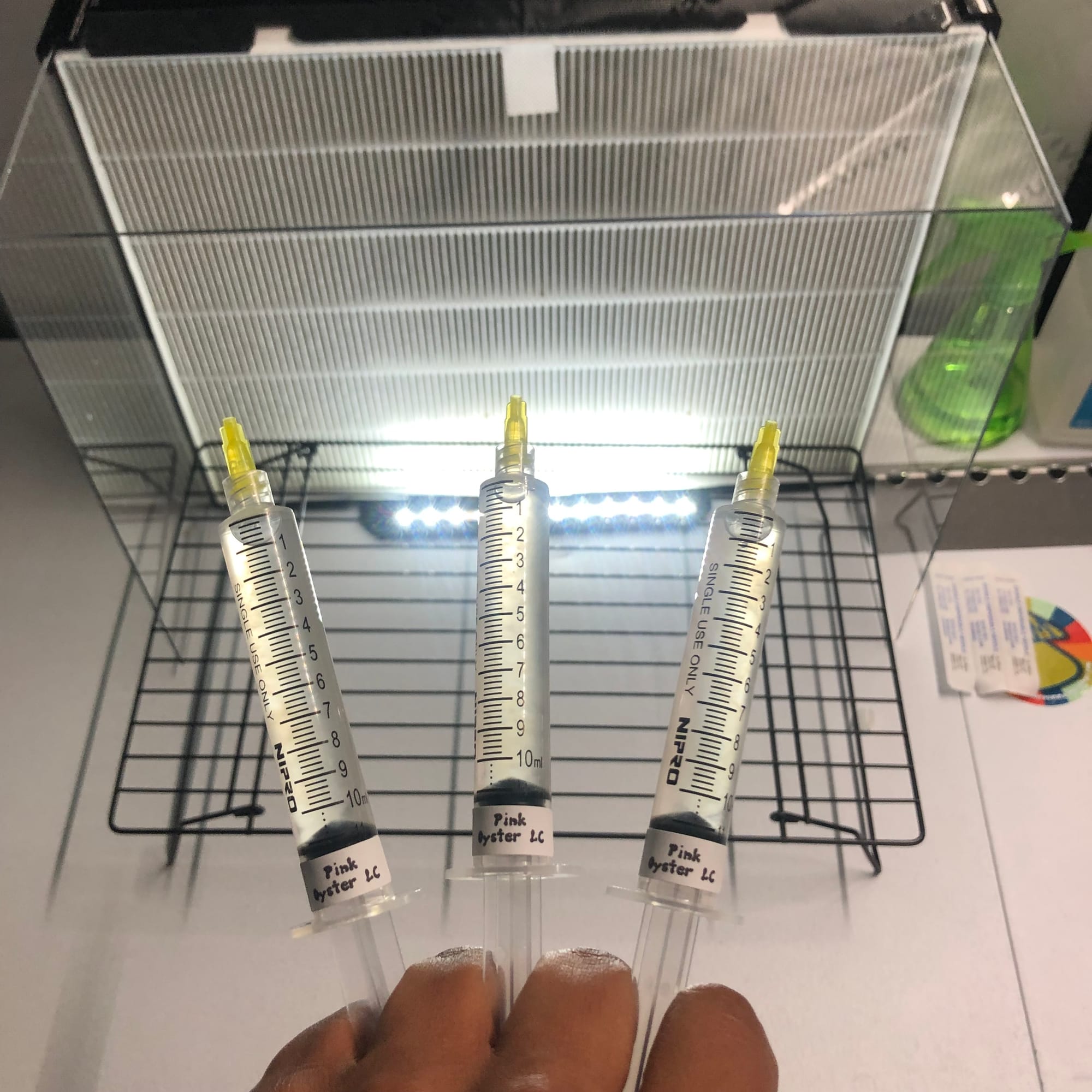
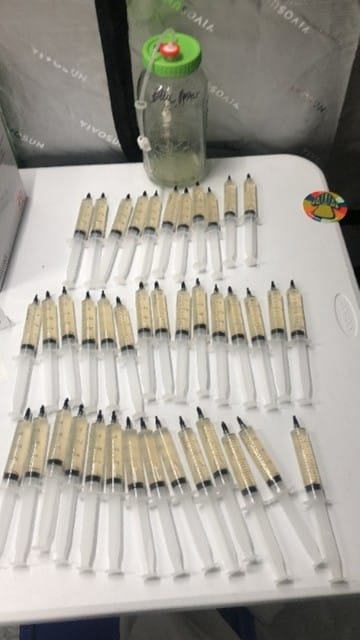
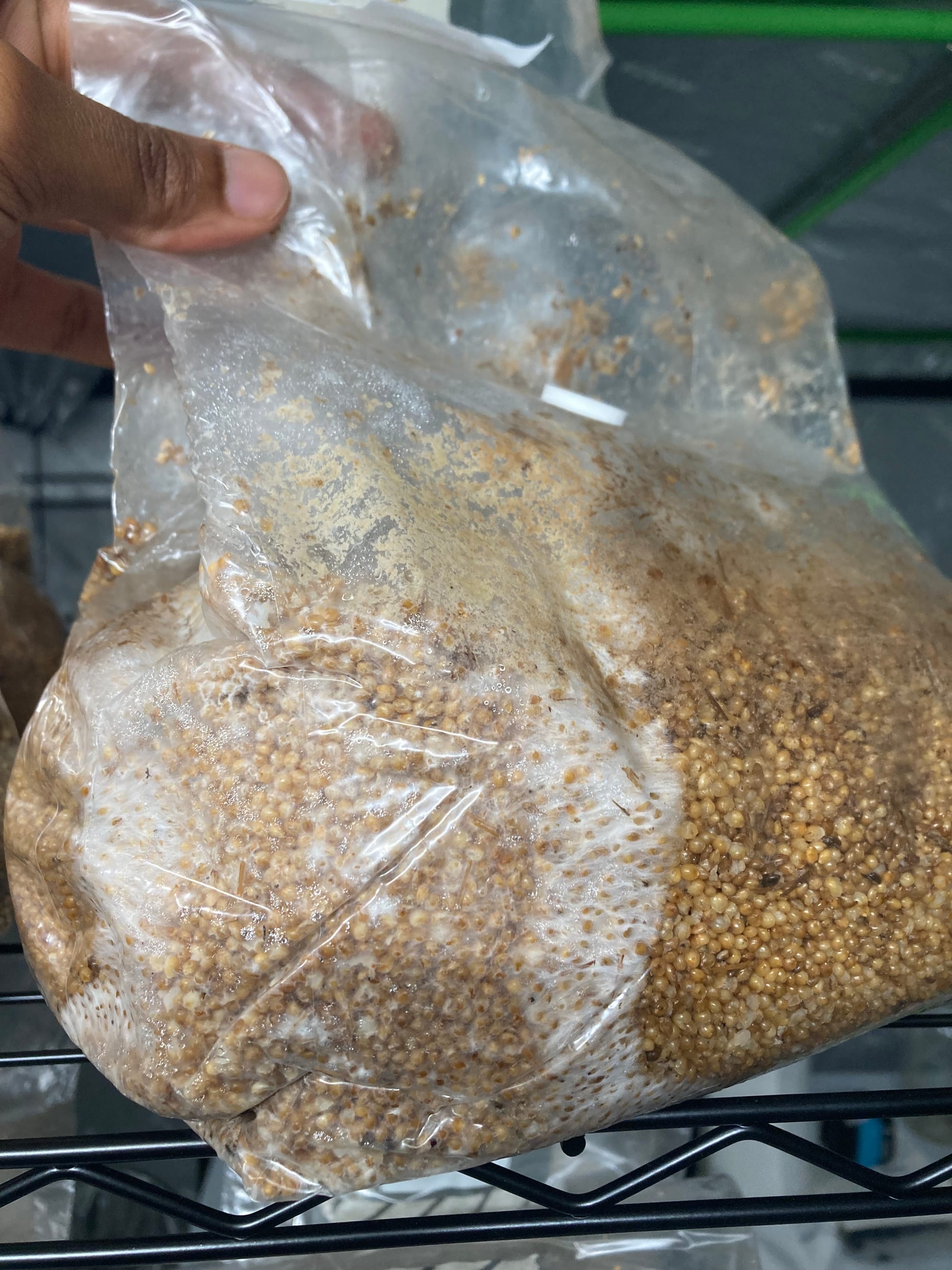
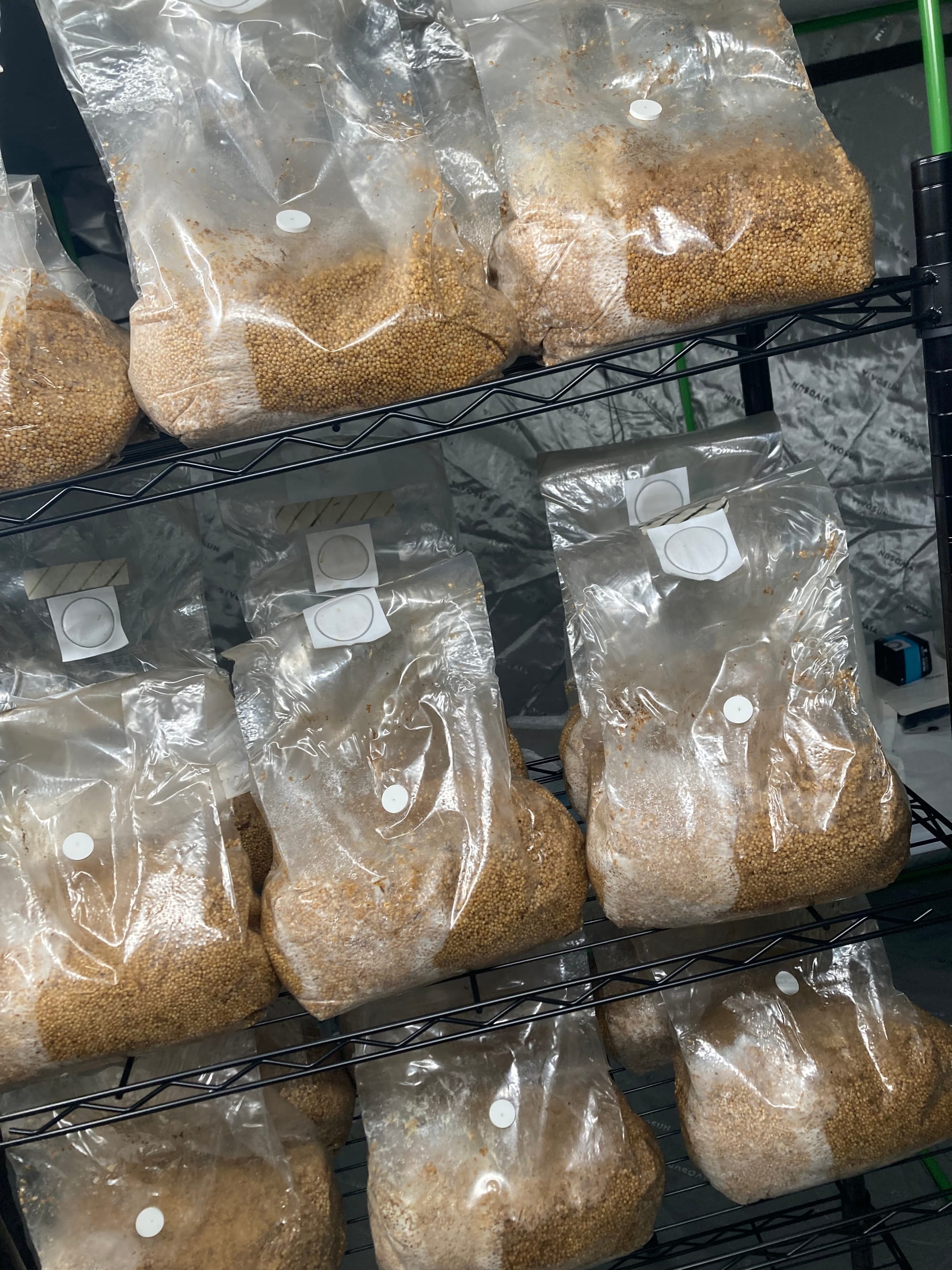
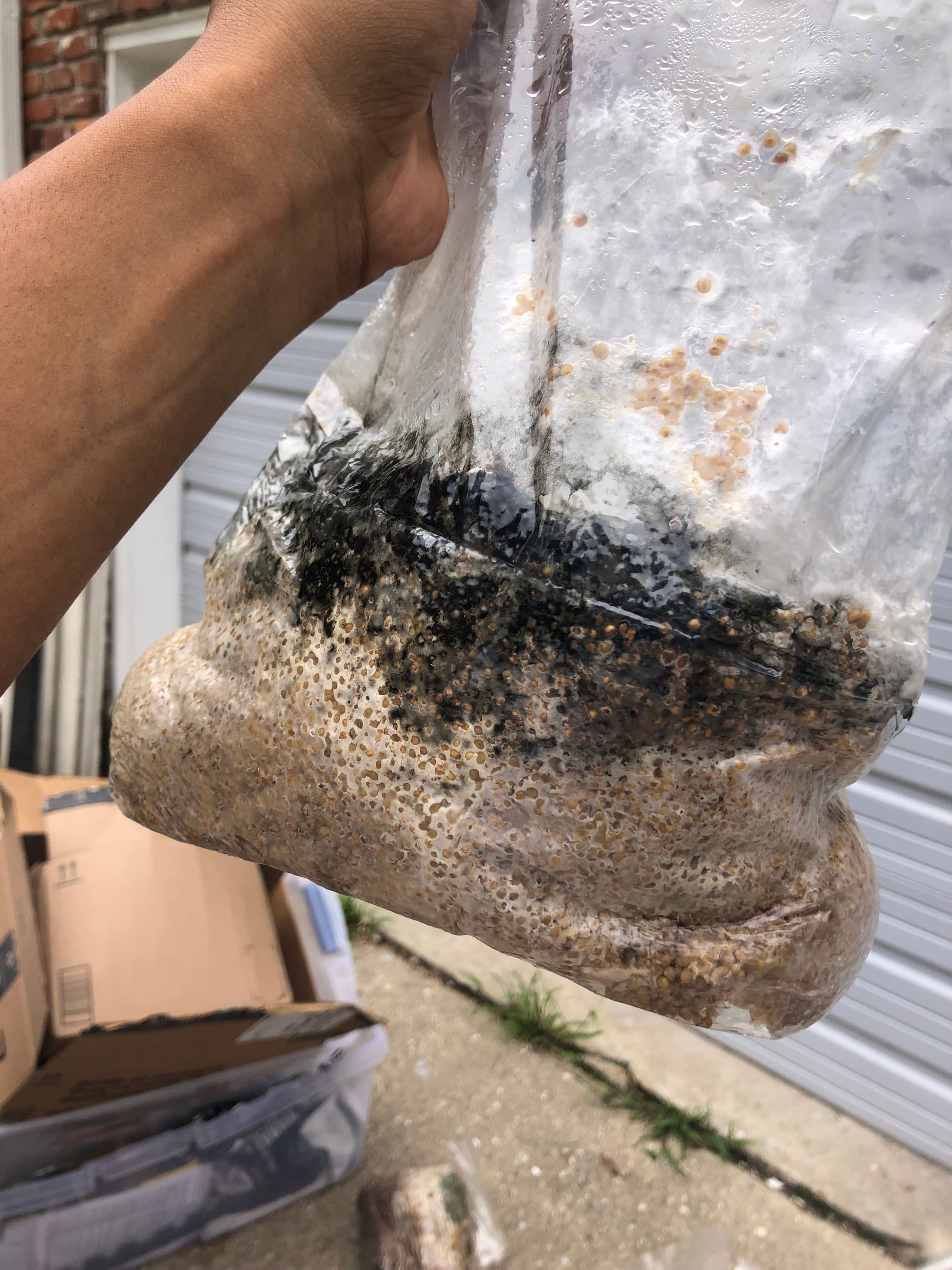
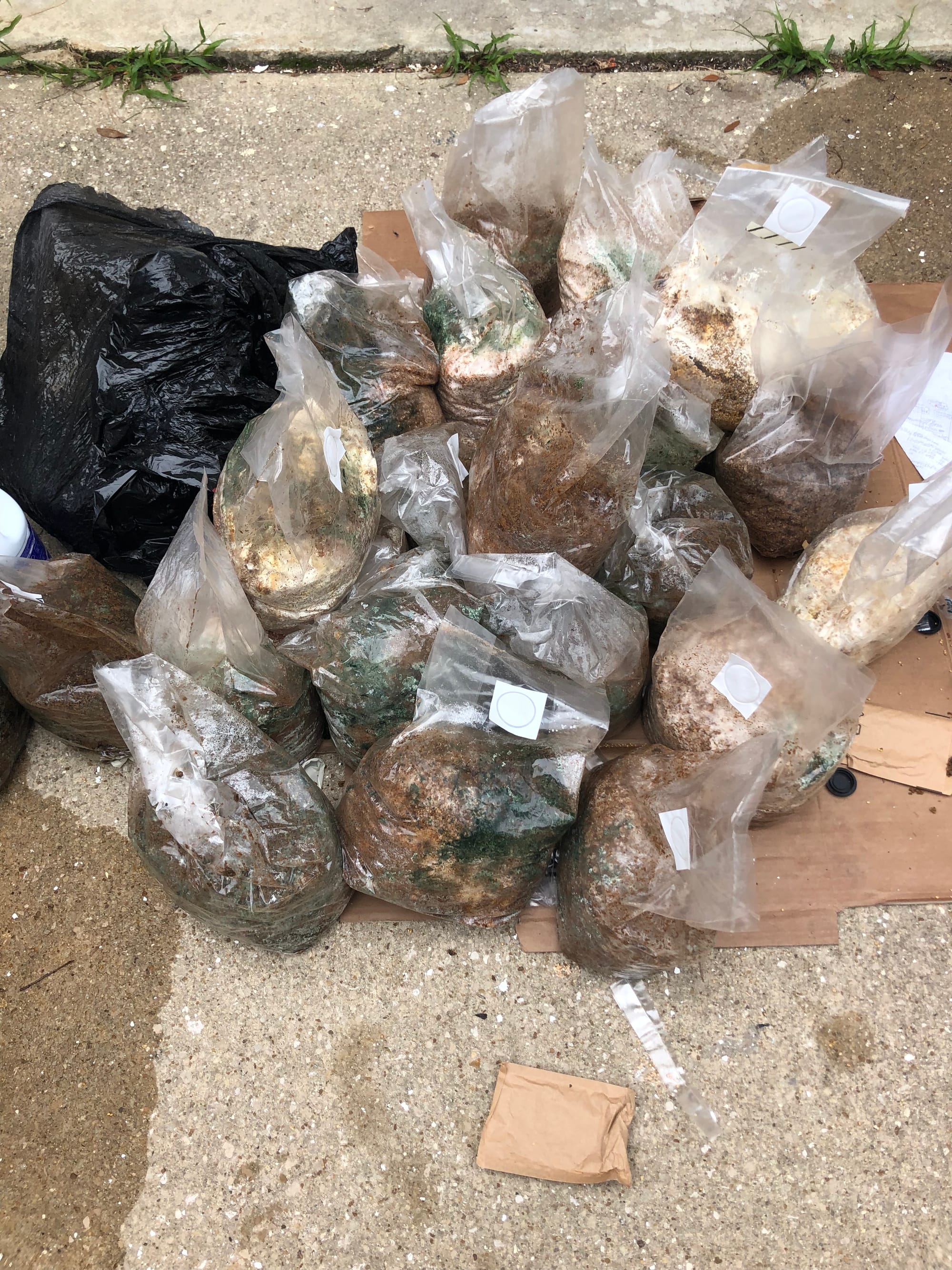
In 2024, I was learning but struggling in my personal life. Unemployed, depressed, MISSING VIENNA, failing, fixing, and slowly getting better. Mycology was my escape and I knew that studying it in depth would give me what I needed to make impact. I built my whole process through MUCH trial and error: contamination losses, broken bags, wasted weekends, and creating a clean culture approximately 50% of the time.
2025 GG The Mycologist
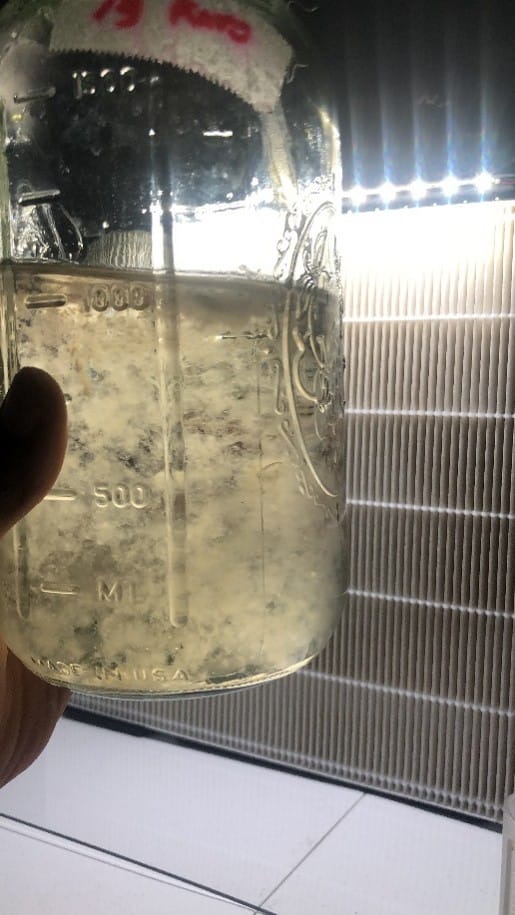
By 2025, I had increased my skills significantly along with some key equipment upgrades. From my crappy Etsy flowhood to a real Flowhood and from 23 quart Presto Pressure Cookers to a commercial autoclave. I also refined my grain to grain transfer technique and produced liquid culture in DIY bioreactors.
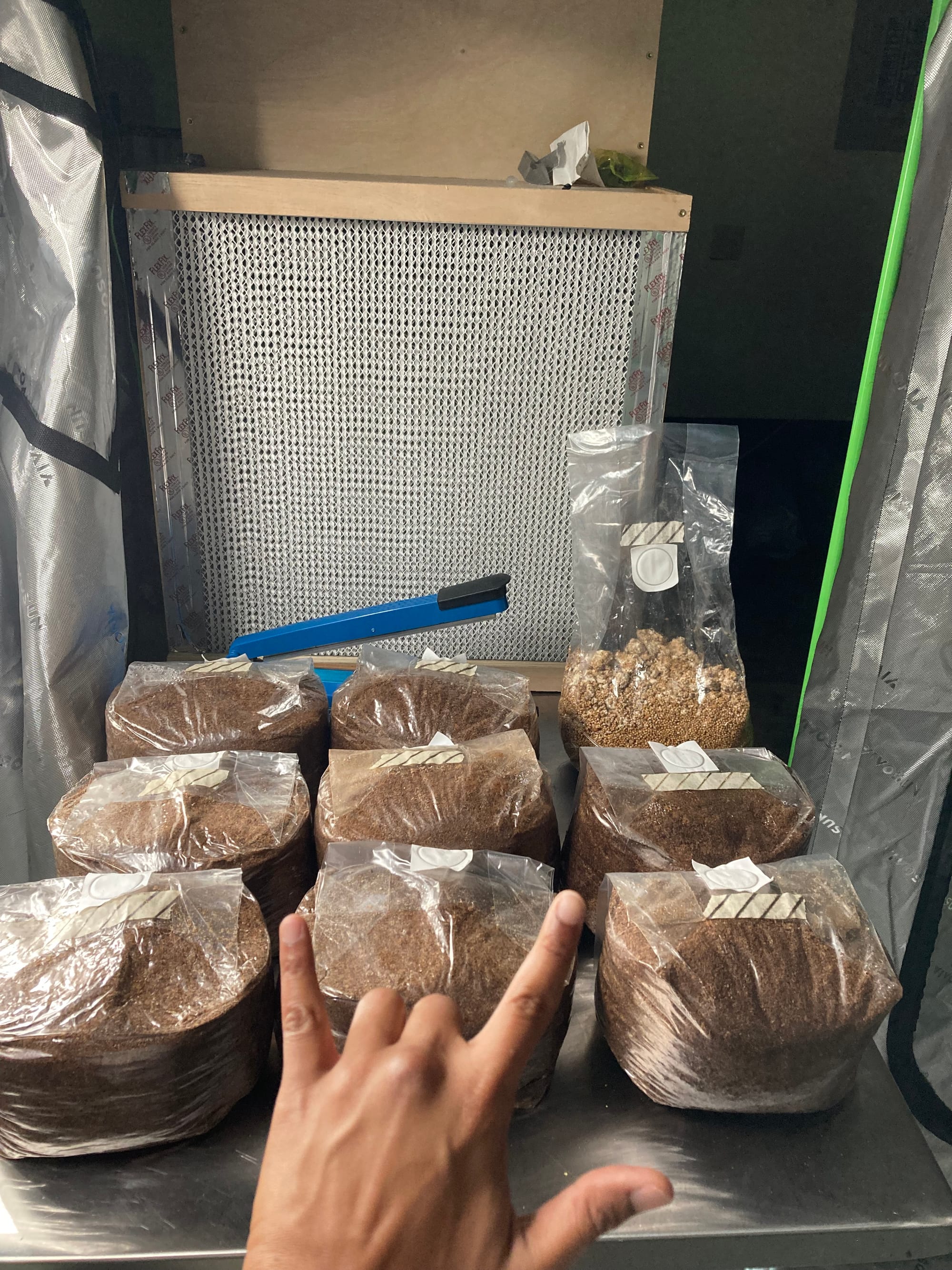
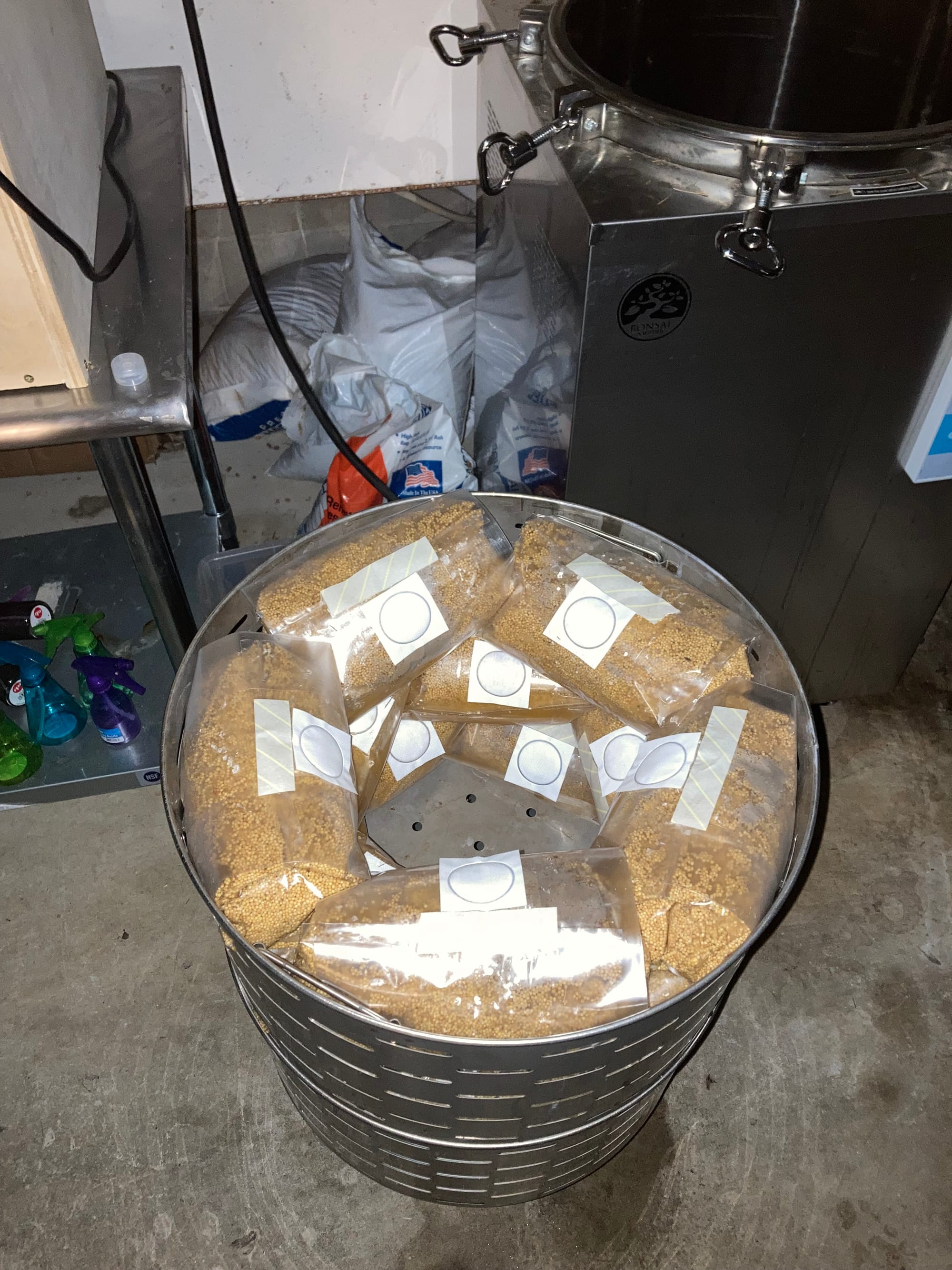
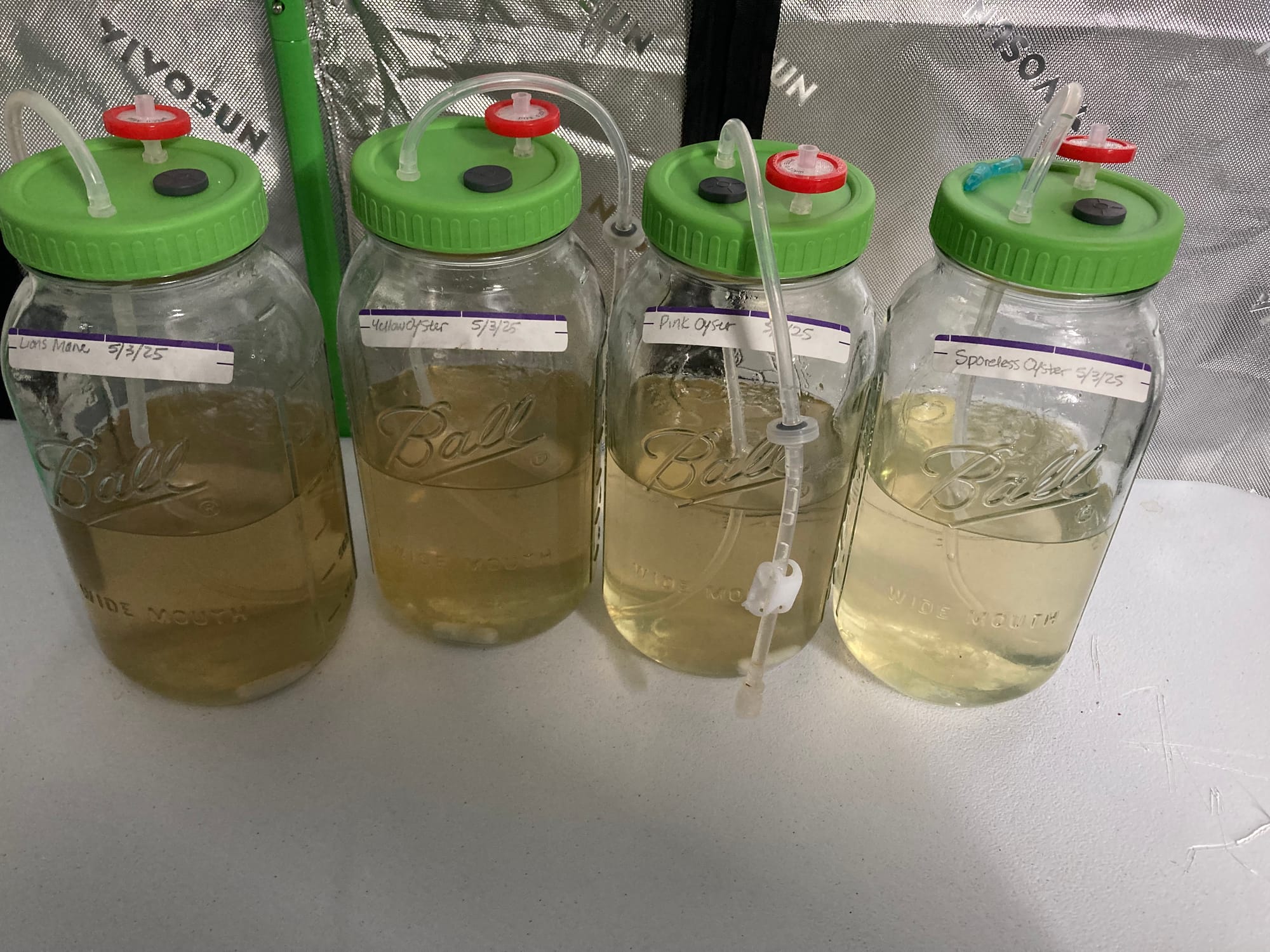
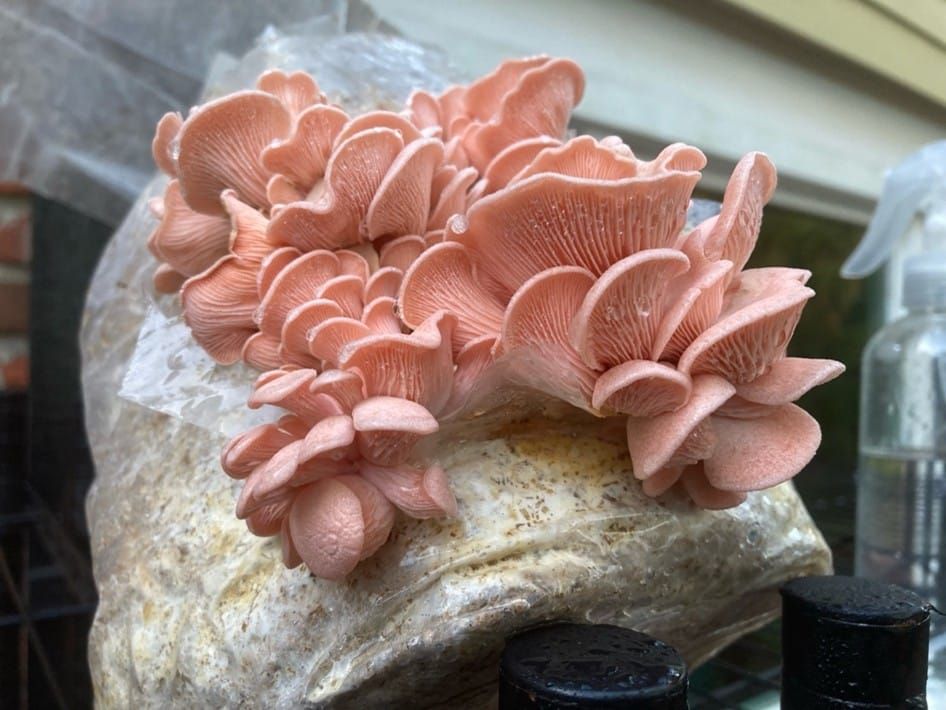
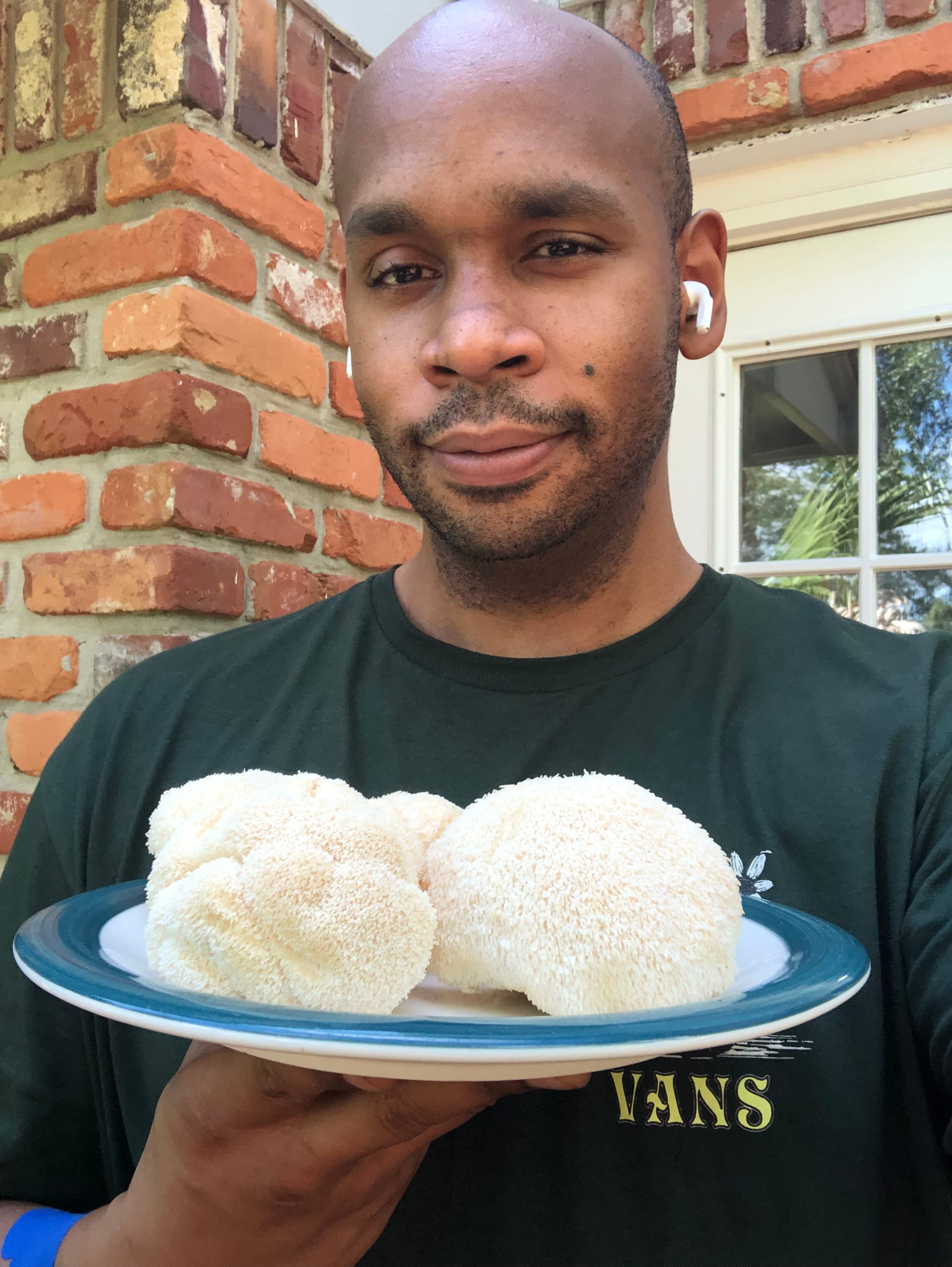
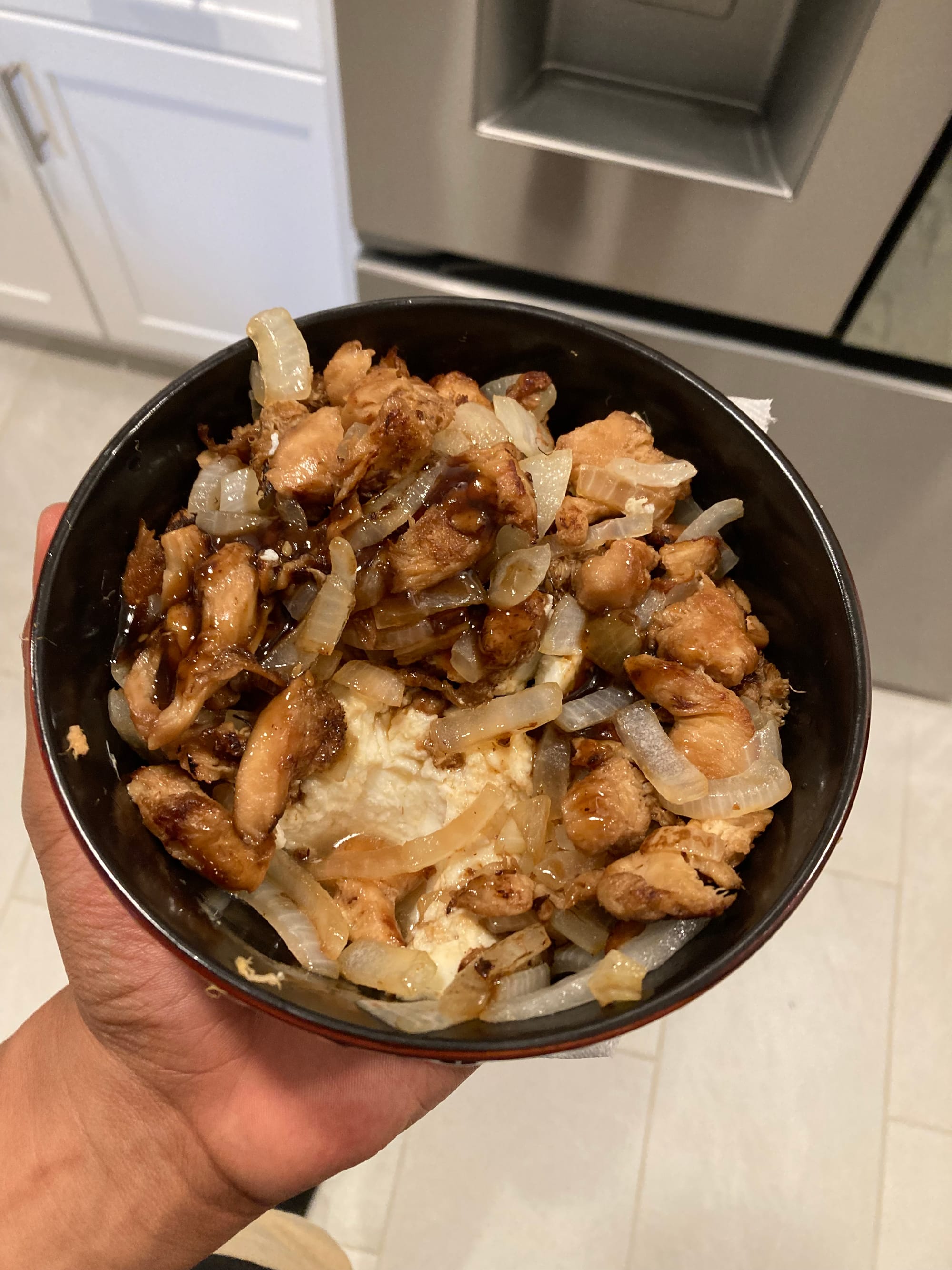
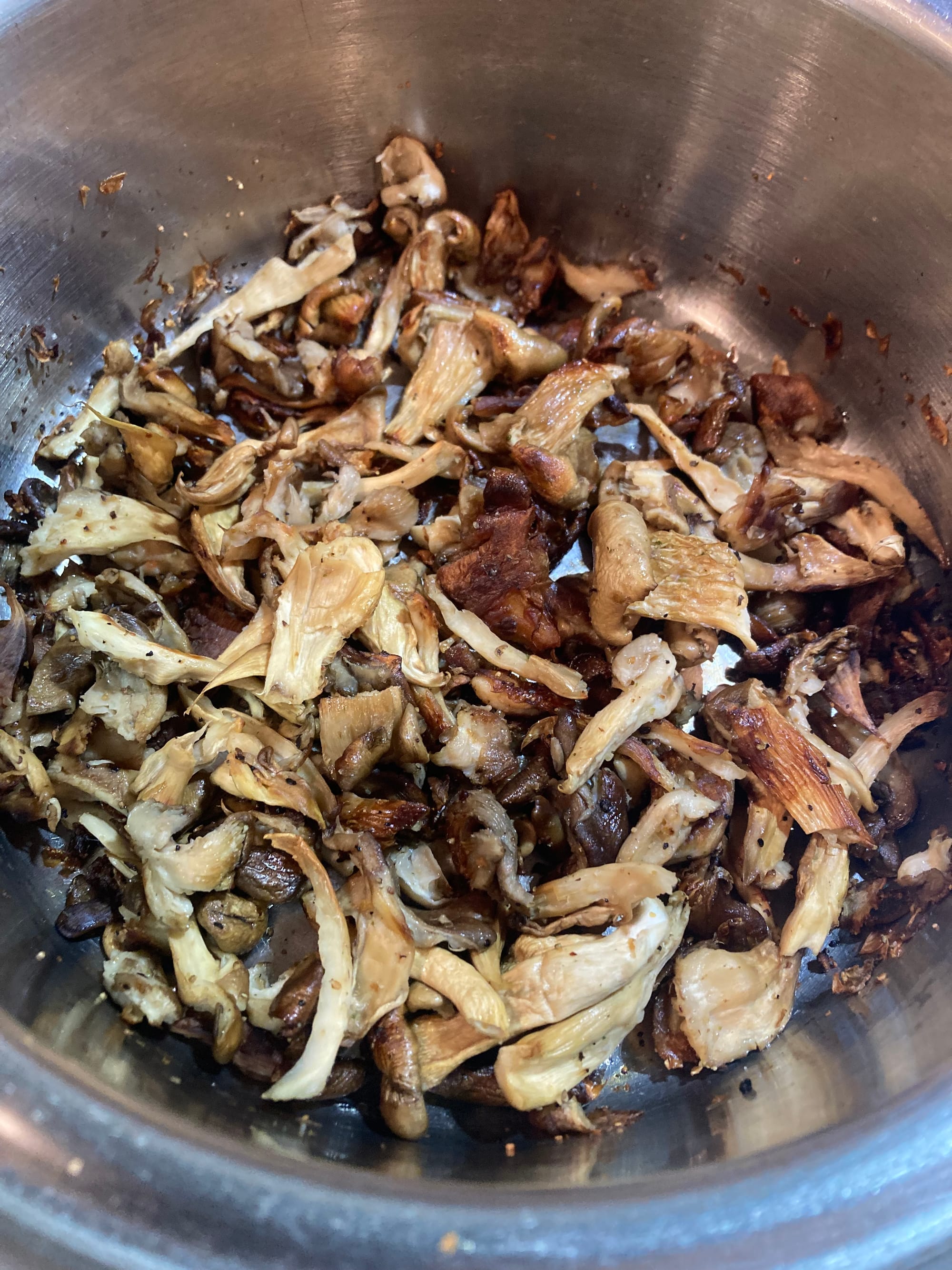
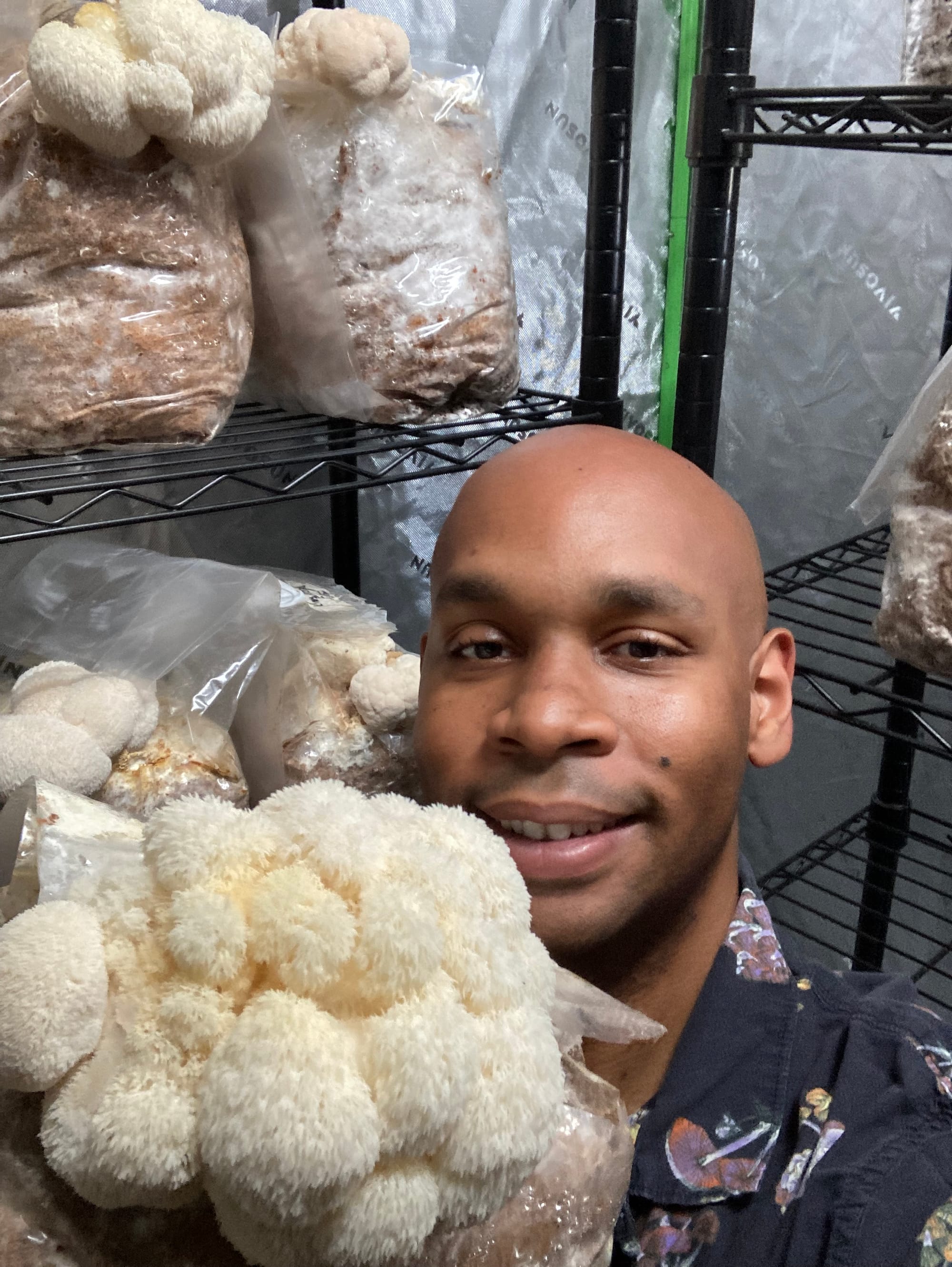
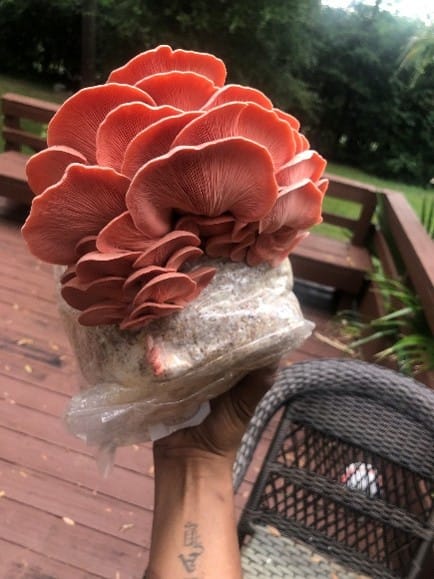
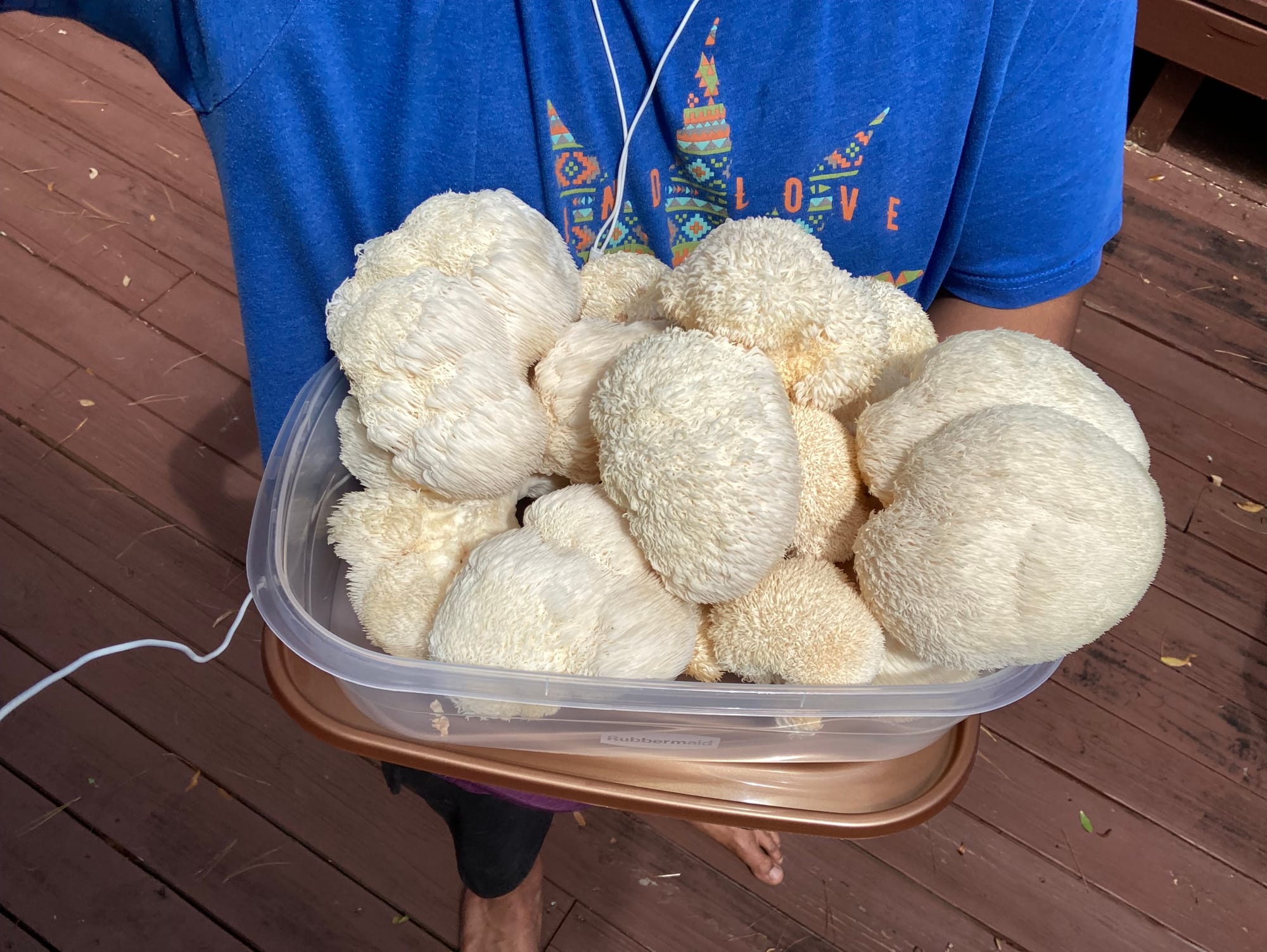
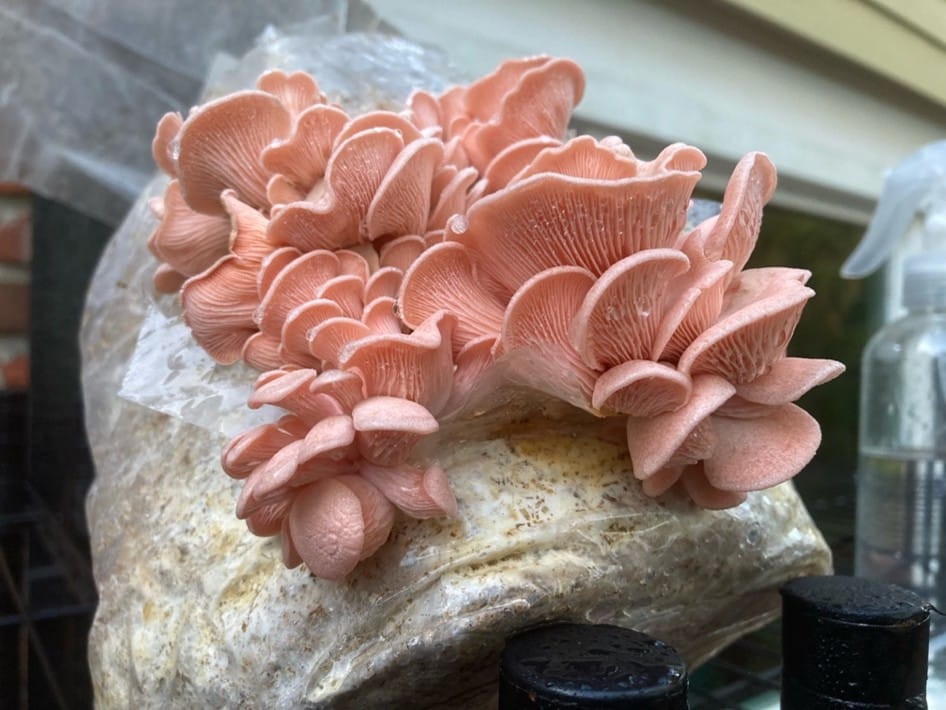
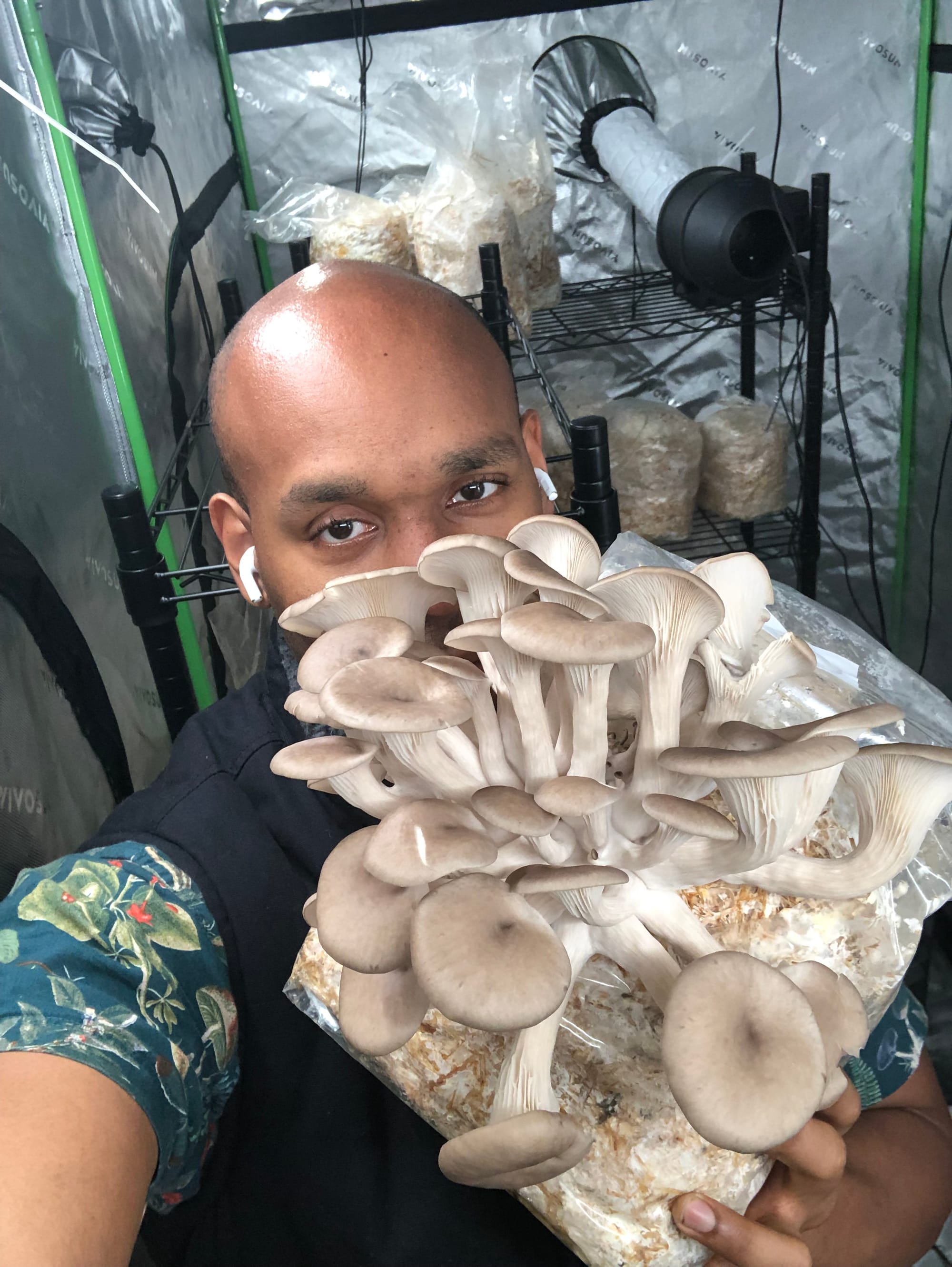
In the past year, I've begun to consistently produce beautiful flushes of oyster mushrooms inside the DIY chamber that would later evolve into the SMARThub (more about that later). Those flush photos represent months of refining, correcting mistakes, and pushing through setbacks.
Enter the "SMARThub"
SMART stands for
Solidarity Mycoculture Appropriate Resilience Tent
Appropriate in its low-cost, and accessibility and resilience for the potential impact it can have on communities.
I built the setup below because commercial options are seriously overpriced. For the price of two of North Spore's Boom Rooms, a 10x10 SMARThub could be constructed and easily produce 5-10x the amount of fresh mushrooms each month or MORE.
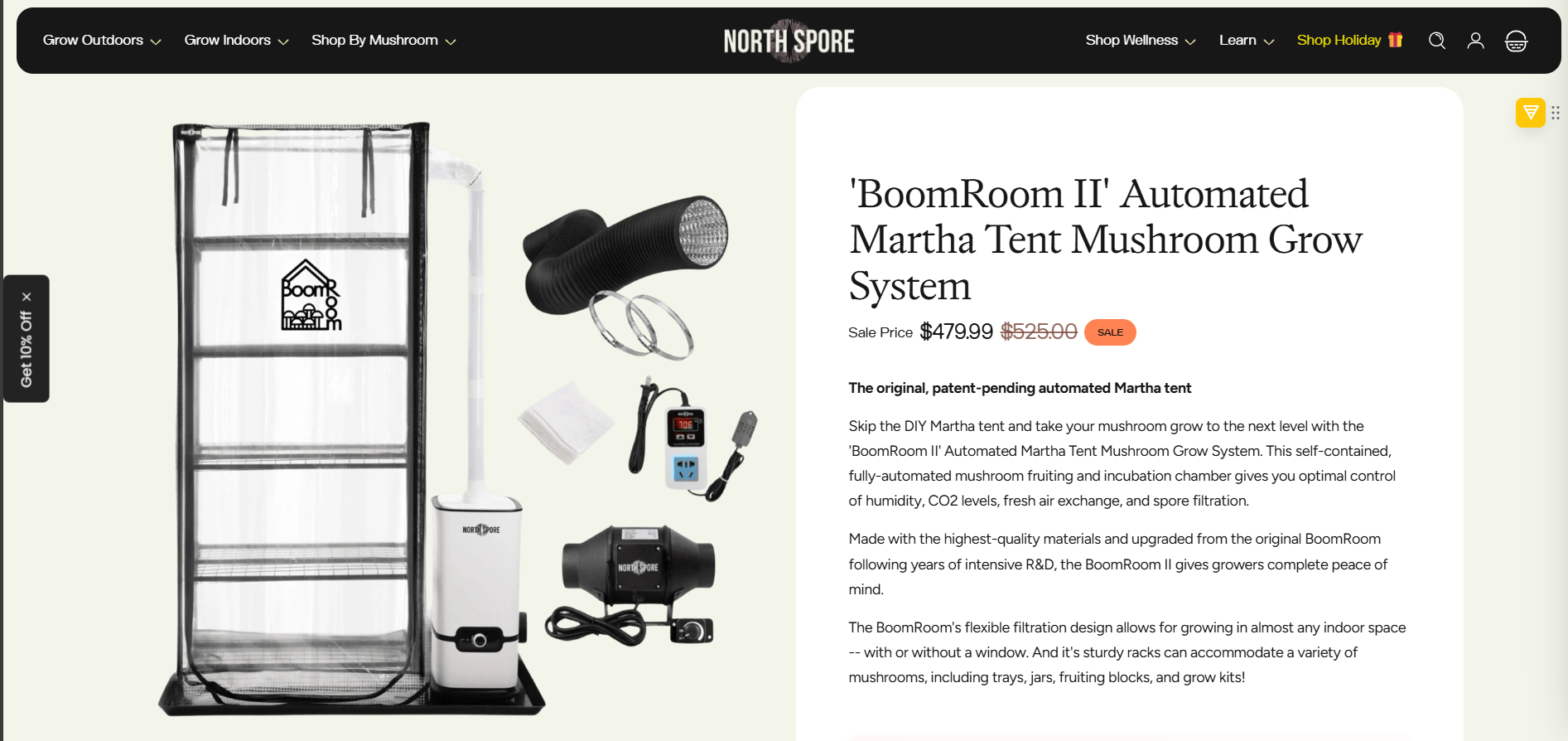
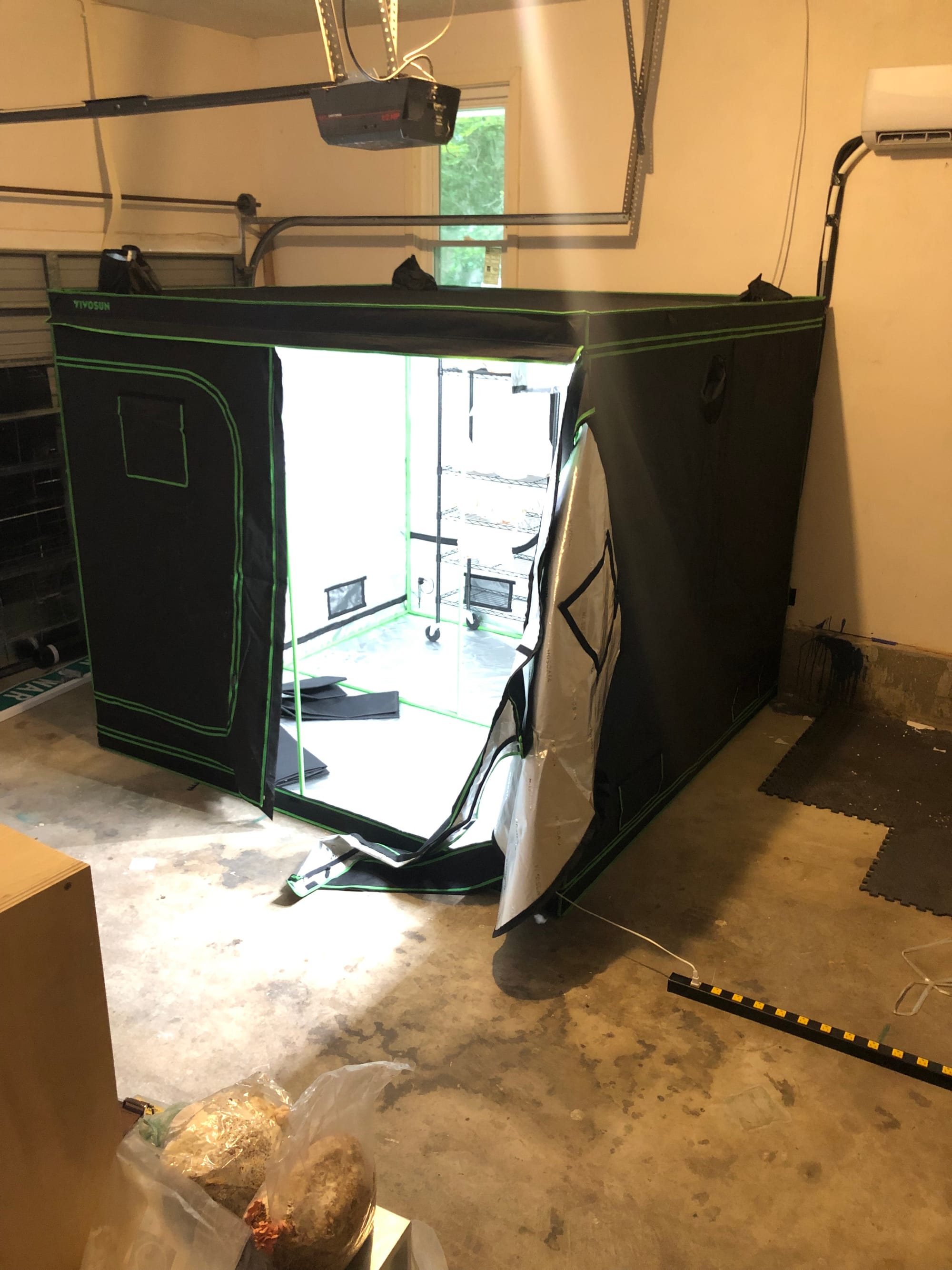
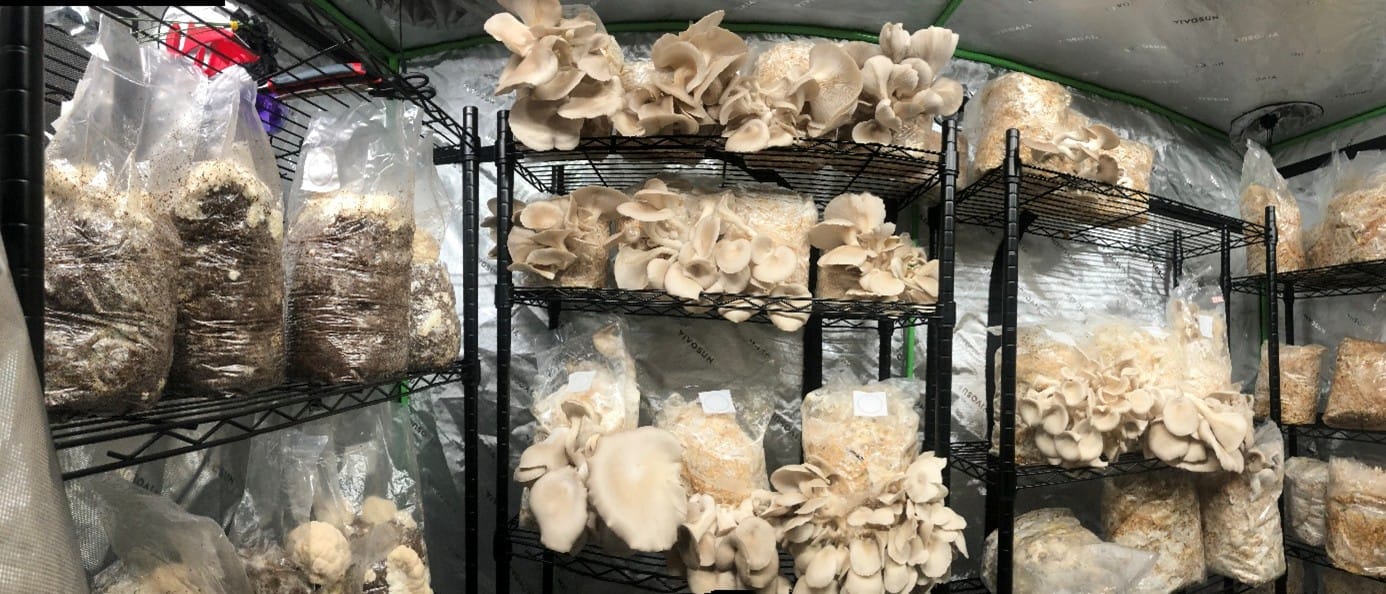
This is the REAL Boom Room (Venga Boys anyone?)
My Solution/Contribution:
- Assemble the pilot SMARThub and stock it 100 XL growkits per month
- Produce 150-200lbs of mushrooms per month across 2-3 harvests
- Collaborate with community partners to assist turning ~150-200lbs into 1,000 BBQ mushroom sandwiches sold for $5-6 each at farm-to-table fungi events with a monthly goal of 5,000$ raised per month across 3-4 events each month.
- In partnership with organizations like Second Harvest of the Big Bend, a $5 sandwich becomes a 100% donation which could fund 15-20 hot vegetarian meals at a cost of $0.25-0.33 per meal.*
Over time, other initiatives around infrastructure can be directly funded from the proceeds to create new SMARThubs and incorporate additional partnerships.
To conclude, Solidarity Mycoculture
- Engages Local community (with a focus on youth) gain hands-on training in applied mycology, food production, and social entrepreneurship
- Farm-to-table events create community, culture, and revenue that goes directly to feeding vulnerable families.
- Multiplies working-class dollars into large-scale food support and strengthens solidarity.
Core Idea
Cultivating and preparing high-value mushrooms collectively generates vital funds for bulk food and essential items purchases while building local capacity. A multi-impact model rooted in solidarity.
Caveat
This can happen in any city, but only with the support of a local or regional mushroom farm, or someone like me with equipment, knowledge and desire to sponsor the SMARThub and grow kits and provide the skills and leadership needed to start it.
That's why I want to share my knowledge so that a new generation of young and old solidarity mycoculturists can assume responsibility in my absence.
Conclusion
That's it BUT this is just the beginning. Solidarity Mycoculture is the first step in a larger vision rooted in what I learned in Vienna and everything I believe is possible for a just future. I’ll be sharing the deeper story, my research, and the broader plan over the next few days and weeks.
